Author Archives: Gaby Heagerty

Kan Winzter Casino echt als veilig worden beschouwd?

Als ervaren SEO-copywriter met een focus op iGaming deel ik graag mijn analyse over de veiligheid van Winzter Casino. In een markt vol aanbieders is het essentieel om te weten of een platform betrouwbaar en veilig is voordat je geld inzet. Deze beoordeling zoomt in op de belangrijkste aspecten zoals licenties, technische bescherming, eerlijkheid van spellen en verantwoord spelen. Zo krijg je een helder beeld van wat je kunt verwachten bij winzter casino.

Waarom is veiligheid cruciaal in online casino’s?

Veiligheid is de fundering van een goed online casino. Zonder betrouwbare bescherming en transparantie riskeren spelers niet alleen hun geld, maar lopen ze ook het gevaar slachtoffer te worden van fraude of onrechtvaardige spelpraktijken. Winzter speelt hierop in door te voldoen aan strenge regelgeving en door moderne beveiligingstechnologie te implementeren. Dit betekent dat je persoonlijke gegevens en financiële transacties optimaal worden beschermd.

Daarnaast waarborgt een veilige licentie dat het casino onder toezicht staat van een externe toezichthouder. Dit voorkomt dat het casino willekeurige beslissingen neemt die nadelig zijn voor spelers.

Licenties en regelgeving: De hoeksteen van vertrouwen

Winzter Casino beschikt over een vergunning uitgegeven door de Malta Gaming Authority (MGA) en staat geregistreerd bij andere internationale instanties. Deze licenties zijn toonaangevend in de Europese iGaming-sector en eisen strikte naleving van regels rondom veiligheid en eerlijke spellen.

Aspect Winzter Casino Gemiddeld online casino
Licentie Malta Gaming Authority (MGA) Vaak MGA, soms minder streng
SSL-encryptie Ja, 256-bit encryptie Meestal wel, soms minder
Toezicht onafhankelijke controle Jaarlijkse audits Onregelmatig tot geen audits
Verantwoord spelen tools Volledig geïntegreerd Verschilt per platform

Deze licenties gaan verder dan alleen het juridische kader. Ze stimuleren ook transparantie en zorgen ervoor dat het casino regelmatig wordt gecontroleerd. Voor jou als speler betekent dit dat er een onafhankelijke partij meekijkt en dat eventuele klachten serieus worden behandeld.

Hoe beschermt Winzter Casino jouw gegevens?

Een van de eerste dingen waar je op moet letten, is of een casino je data goed beveiligt. Winzter maakt gebruik van SSL-encryptie met 256-bit beveiliging. Dit is dezelfde standaard die banken gebruiken en zorgt ervoor dat je persoonlijke en betaalgegevens niet onderschept kunnen worden door derden.

Ook is het goed om te weten dat Winzter strikt omgaat met privacy en voldoet aan de nieuwste AVG-wetgeving. Je gegevens worden niet gedeeld zonder jouw toestemming, en er zijn regels omtrent bewaartermijnen die beschermen tegen misbruik.

Eerlijke spellen en RNG-certificering

Een veilig casino betekent ook eerlijk spel. Winzter Casino werkt met gerenommeerde softwareleveranciers zoals NetEnt, Microgaming en Play’n GO. Deze providers staan bekend om hun transparantie en random number generatoren (RNG’s) die door derde partijen worden geverifieerd.

Het casino publiceert de uitbetalingspercentages (RTP) van hun spellen, wat aangeeft dat ze niets te verbergen hebben. Hierdoor weet je dat de uitkomsten willekeurig en niet gemanipuleerd zijn.

Verantwoord spelen bij Winzter Casino

Veiligheid omvat ook het beschermen van spelers tegen gokverslaving. Winzter biedt uitgebreide opties voor verantwoord spelen, zoals:

  • Stortingslimieten instellen
  • Speelduurlimieten
  • Zelfuitsluiting
  • Toegang tot hulporganisaties

Deze tools zijn belangrijk om je speelgedrag onder controle te houden en onnodige risico’s te vermijden.

Mini-vergelijking: Winzter versus de markt

Veel online casino’s claimen veilig te zijn, maar hoe doet Winzter het in vergelijking?

  • Winzter scoort hoog op licenties en toezicht vergeleken met kleinere platforms.
  • Het gebruik van topsoftware en regelmatige audits overstijgt het gemiddelde.
  • Privacy en verantwoord spelen worden actief gepromoot, wat niet bij alle casino’s vanzelfsprekend is.

Een ervaren speler merkt direct dat hier een professionele organisatie achter zit, met aandacht voor de speler als individu.

FAQ – Veelgestelde vragen over de veiligheid van Winzter Casino

1. Is Winzter Casino betrouwbaar voor betalingen?
Ja, Winzter werkt met veilige betaalmethoden zoals iDEAL, creditcards en e-wallets. Transacties verlopen snel en veilig dankzij geavanceerde encryptie.

2. Heeft Winzter een officiële goklicentie?
Ja, het casino beschikt over een licentie van de Malta Gaming Authority, een van de meest gerespecteerde toezichthouders in Europa.

3. Worden de spellen eerlijk gespeeld?
Alle spellen maken gebruik van gecertificeerde random number generators en worden regelmatig gecontroleerd op eerlijkheid.

4. Kan ik mijn speelgedrag bij Winzter beperken?
Ja, er zijn diverse opties voor zelfbeperking en zelfuitsluiting om verantwoord gokken te stimuleren.

5. Hoe snel reageert de klantenservice bij veiligheidsvragen?
De support is bereikbaar via livechat en e-mail, met doorgaans snelle en deskundige reacties.


Winzter Casino voldoet aan alle relevante eisen om als een veilig platform te worden beschouwd. Met haar sterke licenties, technische beveiliging en focus op verantwoord spelen biedt het een betrouwbare omgeving voor Nederlandse spelers. Wie kiest voor Winzter, speelt met vertrouwen.

what to do garden july

WHAT TO DO IN YOUR ENGLISH GARDEN IN JULY

July is a glorious month in the garden. With long daylight hours, warm temperatures and a riot of colour, this is when outdoor spaces truly come into their own. But to keep everything looking its best — and to make the most of time outside — it’s worth knowing what to prioritise, what to plant, and which tools or accessories will make the job easier

Whether you’re a seasoned gardener or simply want to enjoy more relaxing moments outdoors, here are our top tips and recommendations for the month ahead.

1. Water Wisely

Why it matters: July often brings dry spells, so your garden will need extra hydration to thrive. But how you water is just as important as how often.

Practical Tips:

– Water in the early morning or evening to reduce evaporation and prevent leaf scorch.
– Water deeply rather than little and often — this encourages deeper roots and helps plants withstand dry spells.
– Mulch around plants with 5–8cm of bark, compost or straw to help retain moisture and suppress weeds.
– Water deeply but infrequently, ideally in the early morning or late evening.
– Edge the lawn for a clean, defined look — it makes a surprisingly big visual impact.

Recommendations:

– Soaker hoses or drip irrigation kits provide slow, targeted watering — ideal if you’re heading off on holiday.
– Rainwater butts are a sustainable way to collect water — and rainwater is better for your plants than tap water.

Where to look in-store: Browse our Gardena irrigation range in the Top Shop, just before the outdoor plant area.

2. Deadheading & Pruning

Why it matters: Removing spent flowers encourages more blooms and prevents plants from going to seed.

Practical Tips:

– Regularly deadhead roses, dahlias, cosmos and sweet peas.
– Cut back hardy geraniums and perennials that have finished flowering to encourage a second flush.
– Prune early summer-flowering shrubs once they’ve finished blooming.

Recommendations:

– Try out ergonomic secateurs before buying — Darlac even make left-handed versions.
– Felco Secateurs are a favourite among professionals. If you’re after something more affordable, we recommend Darlac — high-quality tools with replaceable parts and a lifetime guarantee.

Where to look in-store: We stock Felco, Darlac, and Wilkinson Sword tools.

3. Feed Flowers and Fruits

Why it matters:Many plants benefit from an extra boost in mid-summer to prolong flowering or fruiting.

Practical Tips:

– Use a high-potash feed (such as tomato fertiliser) for flowers and veg.
– Feed roses every two weeks with a rose-specific feed.
– Apply slow-release pellets to containers and hanging baskets.
– Liquid feeds are best for peat-free compost, which absorbs them more effectively than granular types.

Recommendations:

– Liquid seaweed fertiliser is a great all-round, environmentally friendly option.
– Tomorite is a firm favourite — great for tomatoes but just as effective for flowers and baskets.

4. Sow for Late Harvests

Why it matters: July isn’t too late — there’s still plenty you can sow for late summer or autumn harvests.

What to sow now:

– Quick crops: lettuce, rocket, radish, beetroot and spring onions.
– Autumn greens: kale, chard and spinach.
– Herbs: coriander, parsley and dill (partial shade works best in summer).

Recommendations:

– Raised beds or deep planters make sowing and harvesting easier.

5. Lawn Care

Why it matters: Lawns can suffer in hot, dry weather — and under the weight of summer fun.

Tips:

– Raise the blades on your mower — longer grass holds moisture better.
– Water deeply once or twice a week rather than lightly every day.
– Avoid feeding during dry spells unless you can water well afterwards.

Recommendations:

Aeration helps water reach roots and prevents compaction — use a garden fork or aerator tool.

6. Make Space to Relax

Why it matters: Your garden should be a place to unwind, not just a to-do list.

Tips:

– Add a shaded seating area with a parasol, pergola or sail.
– Use solar lights, lanterns or a fire pit to extend your evenings outdoors.

Recommendations:

– Choose comfortable garden furniture — and don’t forget covers to protect it.
– Add solar lighting for a low-maintenance touch of magic.

7. Support Pollinators and Wildlife

Why it matters: Bees, butterflies and birds need extra support during hot weather.

Tips:

– Grow pollinator-friendly flowers like lavender, echinacea, scabious and salvia.
– Leave a wild patch — nettles and brambles support insects.
– Put out shallow dishes of water for birds and hedgehogs (add pebbles for safety).

Recommendations:

  • Bee hotels and insect houses make great additions. We sell a range in our bird and wildlife section — or you can make your own!

8. Keep an Eye on Pests

Why it matters: Pests and fungal issues can become more common in warm, humid weather.

Tips:

– Check plants regularly — early action is key.
– Encourage natural predators like ladybirds and hoverflies. Flowers such as marigolds, cosmos, calendula, and zinnias will attract them.
– Use garlic sprays or beer traps for slugs, or explore natural pest control options in-store.

Recommendations:

Copper tape and wool pellets offer organic protection for slug-prone areas.

9. July Garden Checklist

Here’s a quick reminder of what to stay on top of this month:

✅ Deadhead and prune regularly
✅ Water deeply in the morning or evening
✅ Feed flowering plants and fruiting veg
✅ Sow crops for a second harvest
✅ Raise your mower blades and aerate the lawn
✅ Set up seating and lighting to enjoy the evenings
✅ Leave water and wild corners for wildlife
✅ Stay on top of pests and diseases

Final Thoughts

With a little planning and a few well-chosen products, you can keep your garden blooming beautifully right through July — and enjoy every minute of it.

Whether you’re picking fresh herbs, watching the bees at work, or enjoying a peaceful cuppa in the shade, your garden offers space to relax, recharge and reconnect with nature. So keep watering, pruning, sowing — and don’t forget to enjoy the view.

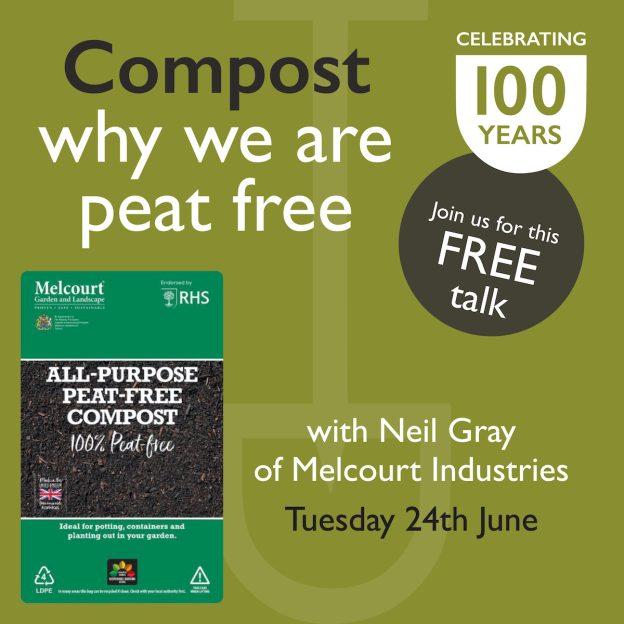
free compost talk

Why We’re Going Peat-Free: A Free Talk by Neil Gray of Melcourt Industries

Join us on Tuesday 24th June for a free compost talk at St Bridget –  at 11am and 2pm

What’s It All About?

We’re delighted to host a free talk about peat-free compost and how to get the best results when using it in your garden. This informative session will explain why the horticultural industry is moving away from peat, the environmental reasons behind the shift, and how government targets are shaping this transition.

You’ll also learn what makes a good peat-free compost and how to use it effectively to support healthy plant growth.

Meet the Speaker: Neil Gray

The talk will be delivered by Neil Gray from Melcourt Industries, one of the UK’s leading suppliers of peat-free compost. Neil began his horticultural career at age 16, working at Peters Gardens in Cobham, before studying for a National Diploma in Hardy Ornamental Nursery Stock at Merrist Agricultural College.

He went on to become Production Manager at one of Sussex’s largest commercial nurseries, overseeing the production of over 2 million 9cm shrubs and 100,000 containerised trees for the garden centre market.

For the past 24 years, Neil has worked in the growing media industry. He first worked with a part Finnish-owned company supplying peat compost to UK growers, before joining Melcourt over 14 years ago. Today, he is the UK Sales Manager for Melcourt’s professional compost range and other horticultural products.

About Melcourt Industries

Melcourt Industries Ltd was founded 40 years ago, initially supplying bark mulch to local authorities and landscapers. In 2000, the company began selling commercial peat-free compost to professional growers. Building on that success, Melcourt launched its SylvaGrow multipurpose compost in 2013, developed from its professional product line.

Today, the SylvaGrow range continues to expand. All of Melcourt’s retail products are RHS endorsed, and the company proudly holds a Royal Warrant.

holiday watering

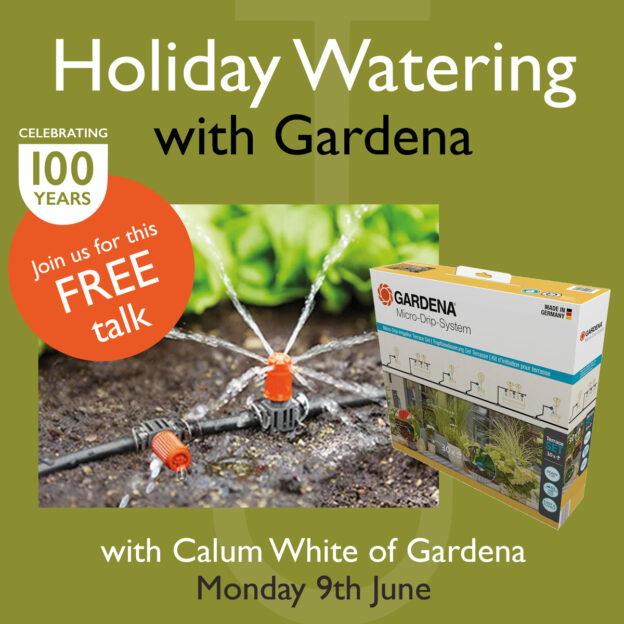
Holiday Watering Made Easy – Join Us for a Gardena Event on Monday 9th June

Heading away this summer? Worried about coming home to thirsty, wilted plants? Join us at St Bridget Nurseries on Monday 9th June for a day of expert advice from Calum White of Gardena, who will be sharing his tips on keeping your garden watered while you’re away.

Discover the Gardena Micro-Drip System

Calum will introduce the Gardena Micro-Drip System – a clever, water-efficient solution that delivers just the right amount of moisture directly to the roots of your plants. Whether you’re growing in borders, pots, or greenhouses, this system is designed to be easy to set up, accurate, and time-saving, helping you care for your garden and conserve every precious drop of water.

Free Talks and Drop-In Sessions

We’ll be hosting two free talks at:

– 11.30am
– 2.30pm

Plus, you can stop by at any time between 11.00am and 3.30pm for informal drop-in sessions, where you can get one-to-one advice, see the system in action, and ask any questions.

Exclusive Prize Draw

Buy any Gardena product on the day and you’ll be entered into a prize draw to win a Gardena Hose Reel worth £154.99. It’s the perfect addition to a stress-free watering setup.

No need to book – just come along, get inspired, and feel confident that your garden will stay healthy and hydrated while you’re away.

ice cream shed

Scoop into Summer – Our Ice Cream Shed Is Now Open!

We’re thrilled to announce that our Ice Cream Shed is now open for the summer season, just in time for those sunny days!

You’ll find the Ice Cream Shed right outside our Car Park Café, serving up ten delicious flavours in cones, including a vegan option, as well as a selection of chilled soft drinks. Whether you’re a fan of classic vanilla, fruity sorbet, or something a little more indulgent, there’s something for everyone to enjoy.

Award-Winning Ice Cream from the West Country

We’re proud to serve Styles Farmhouse Ice Cream, a luxury, award-winning brand handmade in West Somerset. Established in 1988, Styles uses whole Jersey cow’s milk from Westcott Farm in Tiverton, along with West Country double and clotted cream, to create its rich and creamy recipes.

The team now produces its ice cream at a new, state-of-the-art processing facility powered by solar energy at Wibble Business Park in South Somerset. They were named South West Producer of the Year at the Taste of the West Awards, and once you’ve tried a scoop, you’ll understand why.

Flavours to Tempt Every Taste

Here’s what you’ll find on offer at our Ice Cream Shed:

Sorbet

– Passion fruit
– Lemon

Vegan Option

– Vanilla

Dairy Ice Creams

– Raspberries and cream
– Blackberry and double cream
– Mangoes and cream
– Stem ginger
– Clotted cream
– Mint choc chip
– Chocolate
– Real strawberry
– Honeycomb
– Cappuccino coffee

When to Visit

Planning a visit? Make it extra special with an ice cream treat while you browse the plants, pick up garden essentials, or simply enjoy a relaxed day out.

The Ice Cream Shed is open from 11.00am to 4.30pm Monday to Saturday and 11.00am to 3.30pm on Sundays.

So pop by, cool down, and treat yourself (or the family) to a scoop or two. Because no trip to St Bridget is complete without ice cream.

what to do garden june

WHAT TO DO IN YOUR ENGLISH GARDEN IN JUNE

June marks the beginning of summer in the UK, a time when gardens burst into life with colour, fragrance and activity. With longer daylight hours and warmer temperatures, it’s the perfect month for gardeners to make the most of their outdoor spaces. Whether you’re a seasoned green-fingered expert or a weekend hobbyist, there’s plenty to keep you busy in the garden.

1. Tend to Your Lawn

June is prime lawn-growing season. With warmth and occasional rain, grass will grow quickly.

Practical Tips:

– Mow regularly (once a week or more, unless we’re in a drought).
– Raise the mower blades slightly during dry spells to avoid stressing the grass.
– Feed with a high-nitrogen summer lawn feed to keep it lush and green.
– Water deeply but infrequently, ideally in the early morning or late evening.
– Edge the lawn for a clean, defined look — it makes a surprisingly big visual impact.

2. Plant Summer Bedding

Now that the risk of frost has passed in most areas, you can confidently plant out summer bedding.

What to Plant:

– Petunias, begonias, marigolds, lobelias and geraniums are popular choices.
– Don’t forget trailing varieties for hanging baskets and containers.

Tips:

– Prepare beds by weeding and enriching the soil with compost.
– Water well after planting and mulch to retain moisture. A simple layer of bark will also help suppress weeds.

3. Deadhead and Prune for Prolonged Blooms

Many flowering plants benefit from regular maintenance in June.

Deadheading (removing faded flowers) encourages plants to produce more blooms instead of going to seed.

Plants to Deadhead Now:

– Roses
– Delphiniums
– Lupins
– Geraniums
– Poppies

Pruning Tips:

– Cut back hardy geraniums after flowering to encourage a second flush.
– Prune spring-flowering shrubs like forsythia and philadelphus once their blooms have faded.

4. Support Tall Plants

Plants like sweet peas, delphiniums and peonies can become leggy or topple after heavy rain or wind.

Tips:

– Use canes, twine or purpose-built plant supports.
– Tie in new growth as it appears.
– Check existing supports and adjust if needed.

5. Harvest Early Crops

If you’ve been growing edibles, June may reward your efforts.

Ready to Harvest in June:

– Strawberries
– Early potatoes
– Lettuce
– Spinach
– Radishes
– Broad beans
– Peas

Tip: Harvest regularly to encourage continued cropping and to prevent plants from bolting (going to seed).

6. Sow for Succession

Keep the harvest going by sowing seeds every couple of weeks.

Vegetables to Sow Now:

– Carrots
– Beetroot
– Lettuce (choose heat-tolerant varieties)
– Spring onions
– French beans
– Chard
– Pak choi

Herbs to Sow:

– Basil
– Coriander
– Dill
– Parsley

Practical Tips:

– Keep seedbeds moist (but not soggy), especially during dry spells.

7. Care for Tomatoes, Courgettes and Peppers

If you’re growing these summer favourites, June is an important month for maintenance.

Tomato Care Tips:

– Pinch out side shoots on cordon varieties to focus energy on fruit.
– Feed with a high-potassium fertiliser once the first fruits set.
– Water consistently to avoid blossom end rot and fruit splitting.

Courgette & Pepper Tips:

– Keep plants well-watered.
– Watch for slugs around young courgette plants.
– Support pepper plants as they begin to set fruit.

8. Weed, Mulch and Water

Weeds thrive in summer and compete with your plants for water and nutrients.

Tips:

– Hoe or pull weeds weekly before they set seed.
– Apply mulch (compost, bark chips or well-rotted manure) around plants to suppress weeds and retain moisture.
– Water deeply but less often to encourage deep root growth.

9. Support Wildlife and Pollinators

Pollinators and garden wildlife are at their most active in June. Make your garden a welcoming space.

Tips:

– Avoid pesticides and use organic pest control methods.
– Leave a patch of long grass or wildflowers for bees and butterflies.
– Keep bird baths and ponds topped up during hot weather.
– Provide shallow dishes of water with pebbles for insects to land on.

10. Check for Pests and Diseases

Regular checks can help you catch problems early.

Common June Pests:

– Aphids
– Slugs and snails
– Lily beetles
– Caterpillars

Tips:

– Use water sprays or hand removal for aphids.
– Try beer traps or copper tape for slugs.
– Inspect under leaves and remove pests manually if needed.

11. Greenhouse Care

If you’re growing under glass, temperatures can soar in summer.

Tips:

– Open vents and doors during the day to improve ventilation.
– Dampen the floor on hot days to raise humidity and lower temperature.
– Shade with mesh or whitewash if necessary.
– Keep an eye out for pests like red spider mites and whitefly.

12. Recycle in the Garden

Recycling in your garden is a sustainable way to reduce waste and nourish your plants.

– Compost kitchen scraps like fruit peels, coffee grounds and eggshells to enrich your soil.
– Use fallen leaves and grass clippings as mulch.
– Repurpose old containers, cans or broken pots as planters.
– Collect rainwater in barrels to reduce mains water use.
– Lay cardboard or newspaper under mulch to suppress weeds.

Recycling garden materials not only cuts waste but also supports a healthy garden ecosystem.

13. Plan Ahead

June is a good time to think ahead and prepare for later in the season.

Things to Do:

– Take cuttings from pelargoniums, fuchsias and herbs to propagate new plants.

Final Thoughts

June is a joyful, bustling month in the garden. With a little care and attention, your plants will reward you with vibrant blooms, fresh harvests and thriving wildlife. Take time to enjoy your garden as you work – whether it’s the scent of a rose, the taste of your first strawberry, or the sight of a bee hard at work, these are the simple pleasures that make gardening so rewarding.

Bank Holiday Offer

Bank Holiday Rhododendron Offer – This Weekend Only!

Looking to brighten your garden this Bank Holiday weekend? At St Bridget, we’ve got a blooming lovely offer to help you do just that.

From Thursday 23 May to Sunday 26 May, we’re offering £5 off the marked price of any Rhododendron in a 7.5 or 10 litre pot. That means you can take home one of these beautiful, established shrubs for just £25 or £35 (normally £30 or £40).

Rhododendrons are a real garden favourite — known for their stunning spring flowers, glossy evergreen leaves, and ability to thrive in dappled shade. Whether you’re looking to fill a border, brighten up a patio with a potted display, or create an eye-catching feature, they’re the perfect choice.

Offer valid from 23–26 May
£5 off 7.5L or 10L pots
Available in-store while stocks last

Visit us this Bank Holiday weekend, pick your favourite variety, and enjoy a little saving on something special for your garden.

National Children's Gardening Week

Celebrating National Children’s Gardening Week at St Bridget!

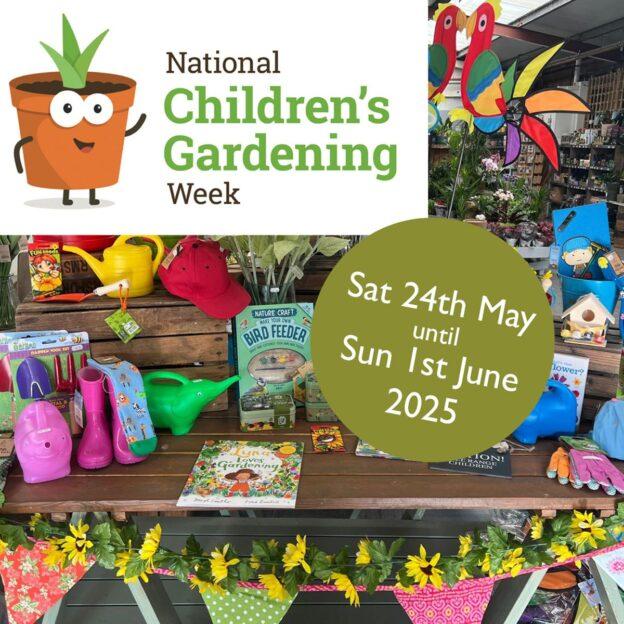
National Children’s Gardening Week (25 May – 2 June) is here — and we’re joining in the fun at St Bridget!

Designed to bring the joy of gardening to children of all ages, this week is all about getting little hands muddy, imaginations growing, and budding gardeners inspired. Whether your child is new to gardening or already loves helping in the garden, it’s a brilliant opportunity to get stuck in together.

Come and See Our Kids’ Gardening Display

We’ve set up a colourful new display in store, packed with gardening goodies for kids — from watering cans and gloves to bug hotels, books, bird feeders, and bright pinwheels. Many of our items are priced with pocket money in mind, so it’s easy for children to pick out something they love.

Plus, we’ve got a great selection of “pocket money” seeds and plants that are perfect for little gardeners to grow at home.

Download the Free Peter Rabbit Gardening Activity Booklet

To help keep young ones entertained at home, we’re also encouraging families to download the official Peter Rabbit Gardening Week activity booklet — it’s full of fun ideas, activities and facts to inspire kids to get growing.

Download the Peter Rabbit activity booklet here

Whether it’s planting a sunflower seed, building a bug hotel, or watering the garden, every little activity helps sow the seeds for a lifelong love of nature.

Join the Fun

National Children’s Gardening Week is a lovely time to get the whole family outdoors. Come and browse our display, pick up some seeds, and make the most of this special week with your young gardeners.

We look forward to seeing you over Half Term!

Celebrating 100 years

Celebrating 100 Years of Growing at St Bridget Nurseries

This year marks a very special milestone for us at St Bridget Nurseries: our centenary. Since 1925, we’ve been proudly growing beautiful plants right here in Devon, and this year we’re taking time to reflect, celebrate and thank the loyal customers and dedicated team who have made it all possible.

Rooted in Family Since 1925

Our story began 100 years ago, when Frank and Hilda Langdon started growing on just an acre of land. Four generations later, the business remains proudly family owned and is now run by their great-granddaughter, Tammy Falloon. While much has changed over the last century, one thing has stayed the same: our commitment to growing top quality plants and providing friendly, expert service.

From one acre to nearly 100 across Exeter, we’ve continued to hand-propagate the plants we sell using traditional techniques such as cuttings, grafting, seed and division. Our nursery, although not open to the public, remains the heart of our business and supplies our Sidmouth Road garden centre with home-grown shrubs, trees and roses.

Thank You to Our Loyal Customers

To mark our centenary, we’re delighted to launch a new Loyalty Card Scheme, giving back to the many customers who have supported us over the years. If you haven’t signed up yet, just ask a member of the team when you’re next in store. We’d love for you to be part of it.

A Garden Centre with More to Discover

Today, St Bridget Nurseries is much more than a place to buy plants (though we still grow some of the best in Devon!). Our garden centre is packed with everything you need for your garden, plus one of the largest aquatic departments in the county and a beautiful gift department perfect for browsing.

After exploring, why not relax in our café with a morning coffee, light lunch or cream tea? We’re open every day and always happy to welcome the whole family, including the dog.

Our People Make the Difference

We wouldn’t have reached 100 years without our wonderful team. Many of our staff have been with us for decades, and all are passionate about plants and helping people find success in their gardens. Whether you’re a seasoned gardener or just getting started, we’re here to help you choose the right plants for your space and lifestyle.

At St Bridget Nurseries, we believe that everyone has greenfingers. Sometimes, you just need a little guidance to help them grow.

Here’s to the Next 100 Years

As we celebrate our centenary, we remain just as passionate about growing as we were in 1925. Thank you for being part of our journey, and we look forward to welcoming you to the garden centre soon.

what to do garden may

WHAT TO DO IN YOUR ENGLISH GARDEN IN MAY

May is a magical time in the garden. Spring is in full bloom, the days are longer and the soil is warming up, offering an abundance of gardening opportunities. Whether you’re tending to ornamental borders, managing an allotment, encouraging wildlife or maintaining a garden pond, there’s plenty to do, and enjoy. Here’s a step-by-step guide to help you get the most out of your garden this month..

Planting and Garden Maintenance

May is a prime month for planting a wide variety of flowers, vegetables, and herbs. Here’s what to focus on:

Hardy Annuals (Direct Sow)
– Cornflowers, poppies, nigella, and calendula can be sown straight into well-prepared beds
– Rake the soil to a fine grain size, sow seeds thinly and cover lightly with soil.
– Water gently (use a fine spray watering can rose) and keep moist until germination.

Tender Bedding Plants
– Petunias, geraniums, marigolds and begonias can be planted out (though keep an eye out for late frosts). Plant in a multi-purpose compost. Water in well and mulch to retain moisture. Dead head (remove flowers that have gone over) regularly to encourage new ones to form.

Vegetables to Sow or Plant Out
– Sow directly to your vegetable beds: carrots, beetroot, lettuce, spring onions and radish seeds
- Plant out hardened-off courgettes, runner beans, and sweetcorn that you may have started indoors on in a greenhouse.
– Support climbing plants with bamboo canes or netting.

Herbs
Sow basil, dill, coriander and parsley directly into sunny spots or containers. Keep soil consistently moist but never wet.

Garden Maintenance Tips
– Deadhead spring bulbs like daffodils and tulips but leave the foliage to die back naturally.
- Weed regularly—young weeds are easier to pull!
- Mulch borders with a bark to suppress weeds and retain moisture.

Kitchen Garden Ideas for May

Allotments start to burst into productivity this month. Here’s how to keep on top of things:

Plan Succession Sowing
– To avoid gluts and extend harvests, sow a few seeds every 2–3 weeks for your crops like lettuce, carrots, beetroot, spinach.

Protect Young Plants
– Use cloches or horticultural fleece over young plants to shield from late frosts and hungry pigeons.
- Net brassicas to deter cabbage white butterflies. We sell anti butterfly netting by the metre – just ask at the tills.

Feed and Water
– Start feeding tomatoes, strawberries, and container-grown crops. Use liquid seaweed or a general-purpose organic fertiliser.
- Water early in the morning or late evening to reduce loss of moisture by evaporation.

Make Use of Vertical Space
– Train beans, cucumbers, and squash up trellises or frames. This saves space and improves airflow; reducing disease.
Place straw around your strawberry plants to keep fruit clean and to avoid rotting. This will also discourage slugs and snails.

Encouraging Wildlife in May

A wildlife-friendly garden is not only beautiful but also beneficial for pest control and pollination.

Create a Bug Hotel
Stack pallets, bricks, twigs, hollow stems and bark in a quiet corner.

Leave Some Grass Long
Allow a patch of lawn or a strip around the edge to grow wild. Daisies, clover, and buttercups support bees and butterflies.

Feed the Birds
– Continue feeding your garden birds but shift to protein-rich foods like mealworms and sunflower hearts to support nesting.
– Provide fresh water daily.

Plant Pollinator-Friendly Flowers
Ideal choices include foxgloves, aquilegia, alliums, and wallflowers. Aim for a mix of shapes and bloom times.

Create Shelter for wildlife
– Leave piles of leaves or logs in shady spots for hedgehogs and toads.
– Install bird boxes or bat boxes in sheltered locations.

Pond Care in May

Garden ponds come alive in May, but they also require attention to keep ecosystems balanced. Here’s step-by-step pond maintenance tips:

Remove Debris
Use a net to gently scoop out fallen leaves, algae, and twigs. Try to avoid disturbing frogspawn or tadpoles.

Top Up Water Levels
Use rainwater if possible. If using tap water, let it stand in a bucket for 24 hours to allow chlorine to dissipate.

Divide and Thin Aquatic Plants
If pond plants like water lilies or irises have outgrown their space, lift and divide them. Replant in aquatic baskets using pond compost (we sell both of these)

Algae Control
Add oxygenating plants to your pond and use barley straw extract or floating barley straw bags to naturally combat algae.

Add a Wildlife Ramp
A sloped stone or log can help amphibians safely enter and exit your pond.

General Tips for a Thriving May Garden

– Regularly Inspect Plants: Look for aphids, mildew, or slug damage and act quickly. Use organic or chemical treatments or hand-pick pests off your plants.
– Hand weed or hoe your ornamental and kitchen gardens regularly to stay on top of weeds and get rid of them before they go to seed.
– Plant up your summer hanging baskets. We have everything you need from empty baskets, compost and basket plants or if you don’t want to make them yourself, we have ready made ones for sale.
– Support Tall Perennials: Use plant supports for delphiniums, peonies and lupins before they flop.
– Refresh Containers: Remove tired spring bedding and replace with summer plants. Use fresh compost and slow-release fertiliser.
– Compost Smartly: If you make compost at home, add a balance of greens (grass clippings) and browns (dry leaves, cardboard) to your compost heap for faster decomposition.

Conclusion

May is a time of promise and productivity in the garden. With the last frosts behind you and the warmth of summer on the horizon, this is your opportunity to set the stage for a fruitful and flourishing season. Whether you’re sowing seeds, nurturing wildlife, or just sitting back to enjoy the buzz of bees and the scent of new blooms, take time to connect with nature, and your garden will reward you in return.

Happy gardening!